Home › Gravel-to-Asphalt Conversions
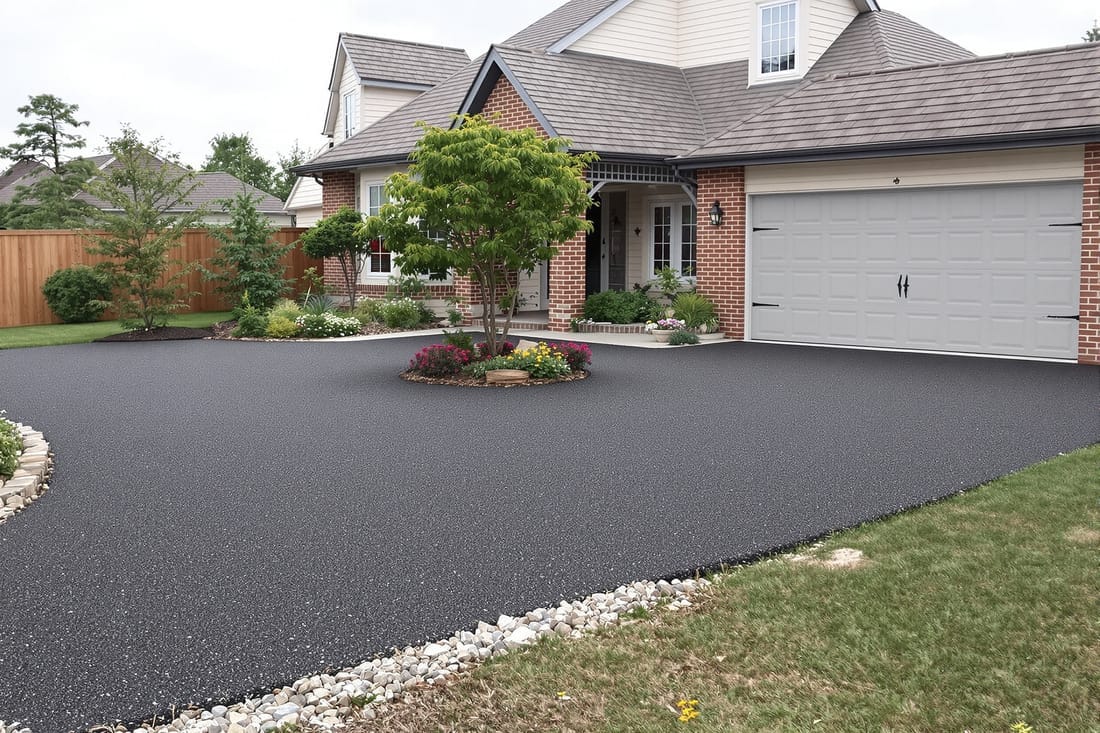
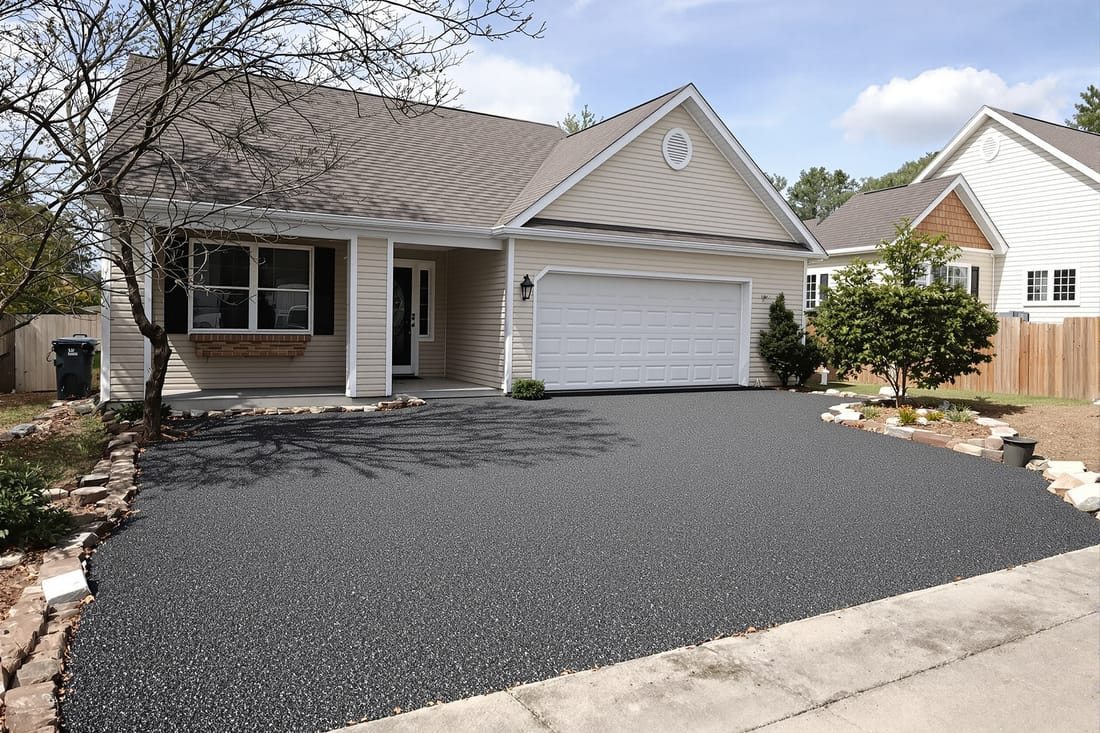
Tired of dust and ruts from your gravel drive Our gravel to asphalt driveway conversions in Raleigh, NC create a smooth, clean surface you can enjoy year round. We regrade, compact, and pave over existing gravel so you get a durable asphalt driveway with better drainage and appearance.
Precision Asphalt Raleigh provides professional gravel to asphalt driveway throughout Raleigh, NC, North Carolina and the surrounding area. Our licensed, insured crew delivers safe, clean, on-time work with a free estimate before anything begins. Call (984) 254-6287 or request your free quote.
Turn Your Gravel Driveway Into a Smooth Asphalt Surface
If you are tired of ruts, dust, and constant gravel washout, a professional gravel to asphalt driveway conversion can be a real upgrade for your Raleigh property. Precision Asphalt Raleigh focuses specifically on converting existing gravel drives into reliable asphalt surfaces that hold up to North Carolina weather.
A well-built asphalt driveway starts with what is already in the ground. Many gravel driveways in the Raleigh area sit on soil that expands when wet and shrinks when dry, especially the red clay common in Wake County. We inspect your existing gravel base, check for soft spots, drainage issues, and low areas where water collects, then design the new asphalt driveway around those findings instead of using a one-size-fits-all approach.
Our goal is to eliminate the problems you currently deal with, such as muddy tire tracks after a thunderstorm, dust coating cars and porches, and the need to add new gravel every year. When we are done, you get a clean, dark surface with crisp edges that is easier to drive on, plow or shovel if needed, and keep clean with a simple rinse.
Step-by-Step: How We Convert Gravel to Asphalt in Raleigh
Precision Asphalt Raleigh follows a clearly defined process so you know what to expect from the first site visit to the final roller pass.
1. Site evaluation and measuring
We start with a visit to your property in Raleigh or the surrounding communities. We measure driveway length and width, note slopes, ditches, and nearby structures, and look at how water currently flows across and beside the gravel. We also ask how you use the drive: number of vehicles, delivery trucks, trailers, or RV parking. This information shapes the design, thickness, and edge support.
2. Base inspection and correction
We excavate soft or organic material such as topsoil and roots that might be hiding under the gravel. In weak areas we install and compact additional stone, usually a crushed aggregate base, to create a firm foundation. For driveways that see heavier vehicles, we often recommend a thicker stone base than a standard residential drive.
3. Grading and drainage setup
Using grading equipment, we shape the driveway with a slight crown or cross-slope so water runs off the asphalt instead of sitting on top. In many Raleigh neighborhoods we also cut shallow swales or tie the drive into existing ditches to steer stormwater away from garages and low spots. If needed, we can install simple culvert pipes under the drive at the road entrance.
4. Compaction of the existing gravel base
We compact the prepared base with a vibratory roller until it is tight and uniform. This step is critical. A solid base is what keeps your future asphalt driveway from settling, cracking, or developing depressions where you already see ruts today.
5. Asphalt installation
For most gravel to asphalt driveway projects, we install a single course of hot mix asphalt between 2 and 3 inches thick after compaction. Larger homes, steeper slopes, or frequent heavy truck traffic may benefit from a thicker mat. We deliver the asphalt from a local plant while it is hot, then spread it with a paver or by hand on small or hard to reach areas.
6. Final compaction and cleanup
A steel drum roller smooths and compresses the asphalt until it is dense and uniform. We fine tune edges with hand tampers, then clean up loose stone from adjacent grass or landscaping so the new driveway looks finished on day one.
Design Options for Your New Asphalt Driveway
Converting from gravel to asphalt does not have to mean a basic black strip. Precision Asphalt Raleigh helps you make practical design choices that fit your property and everyday use.
Driveway layout and width
Many Raleigh homeowners use a gravel conversion as a chance to adjust the layout. This might mean widening near the garage for easier parking, adding a parking pad off to the side, or gentling a curve that has always been awkward. Standard widths for a single car driveway range from 9 to 10 feet, while many families choose 18 to 20 feet near the garage for two vehicles.
Thickness and performance upgrades
If your home sits on a hill, or if delivery trucks or work vehicles use your drive regularly, we can increase asphalt thickness or modify the base design. A slightly thicker asphalt layer and stronger stone base can greatly reduce deformation on hot summer days when Raleigh temperatures and humidity are both high.
Edges and transitions
We can taper asphalt edges gently into the yard, or create stronger edges by adding a narrow shoulder of compacted stone. At the street, we match the new asphalt to the existing road surface to avoid a bump at the entrance. Around garages, walkways, and patios we hand finish transitions so there are no lip hazards.
Future add-ons
If you are planning future projects, such as a carport, backyard shed slab, or a basketball area, let us know during the design stage. We can adjust layout or leave tie-in points that make it easier and more cost effective to extend the asphalt later.
What Affects the Cost of a Gravel to Asphalt Driveway
Every driveway and yard in Raleigh is a little different, so the cost to convert from gravel to asphalt depends on site conditions and your design choices. We explain each cost driver in your written estimate so there are no surprises.
Size and shape
Total square footage is the starting point, since it determines how much stone and asphalt we need. Long, narrow drives may require more careful grading and drainage work, especially on sloping lots, while wider parking areas use more material but are simpler to pave.
Base condition and excavation
If your gravel driveway already has a deep, well compacted base, costs are lower because we spend less time excavating and adding new stone. If the base is thin or there are soft, wet areas, we need to remove unstable material and bring in more aggregate. This extra work is an investment that keeps your new asphalt from failing prematurely.
Drainage and site access
Steep slopes, areas that stay wet after rain, or tight access between fences or trees can add labor. In some Raleigh neighborhoods, narrow streets or limited turnaround space for trucks might require smaller loads or alternate staging areas, which can slightly increase the price.
Asphalt thickness and mix
We match asphalt thickness to how you intend to use the drive. A thicker section uses more material, but it also stands up better to heavy vehicles and the expansion and contraction that comes with North Carolina seasons. For most residential projects we use standard hot mix asphalt from local plants that know our climate, so your driveway is built with material formulated for this area.
Timing and scheduling
Spring and fall are usually the best times in Raleigh for gravel to asphalt driveway work, since temperatures are moderate and there is less risk of extreme heat affecting compaction or finish. Scheduling in those windows often gives you the best combination of installation quality and availability.
Common Issues With Gravel Driveways and How We Solve Them
Many homeowners contact Precision Asphalt Raleigh because problems with their gravel driveway have become hard to ignore. We design the asphalt conversion process to directly address those issues, not just cover them up.
Dust and loose stone
Fine gravel dust is common on dry days, especially on longer drives. It coats siding, outdoor furniture, and vehicles. By replacing the loose gravel surface with a dense asphalt mat, we essentially lock the base in place and remove the main source of dust and flying stone.
Ruts, potholes, and washouts
Tire ruts and periodic washouts after summer thunderstorms point to either drainage problems or an inadequate base. Before any asphalt is installed, we reshape and recompact the base, and where water currently flows down the drive we add cross-slope or small diversions to guide it off to the side.
Mud and soft spots
Low areas that stay wet can cause tires to sink and make walking messy. We dig out these soft spots, usually down to firm subgrade, then backfill with compacted stone. In some cases, especially in shaded parts of a yard, we may recommend minor grading beyond the driveway edges to improve surface drainage.
Loose edges and spreading gravel
Gravel often spreads into the grass, leaving an untidy edge that is difficult to mow. With an asphalt conversion, we define a clear boundary. We can also install stone shoulders or compacted soil against the new edge to support it and make yard maintenance easier.
What to Expect When You Hire Precision Asphalt Raleigh
We know that having crews and equipment on your property can feel disruptive, so we keep the gravel to asphalt driveway conversion process organized and predictable.
Clear communication and scheduling
After our initial visit, we send a written proposal that outlines scope, materials, and timeline. Once you approve it, we schedule the work for a window that suits you and the weather. If a heavy rain system is predicted, we will adjust the schedule rather than rush the job on a saturated base.
Day-of installation experience
On paving day, our team arrives with the equipment and materials already planned for your specific site. We protect nearby landscaping where needed and keep a clean work zone. If you need access to your garage during the day, we can discuss sequencing the work to minimize inconvenience.
Curing time and first use
Most new asphalt driveways in Raleigh can be driven on within 24 hours under normal temperatures, though we recommend avoiding tight turning of steering wheels while parked for the first few days. In hot summer weather, we may suggest a slightly longer waiting period before parking heavy vehicles.
Care tips for long life
New asphalt benefits from a short adjustment period. For the first few months, avoid sharp objects that can dig into the surface and do not park heavy equipment in the same spot for long periods. In the future, consider sealcoating every few years to help resist UV exposure and minor fluid spills.
Throughout the project, Precision Asphalt Raleigh remains available to answer questions, explain each step, and make sure the finished driveway fits your property and the way you actually live and drive every day.