Home › Asphalt Resurfacing & Overlays
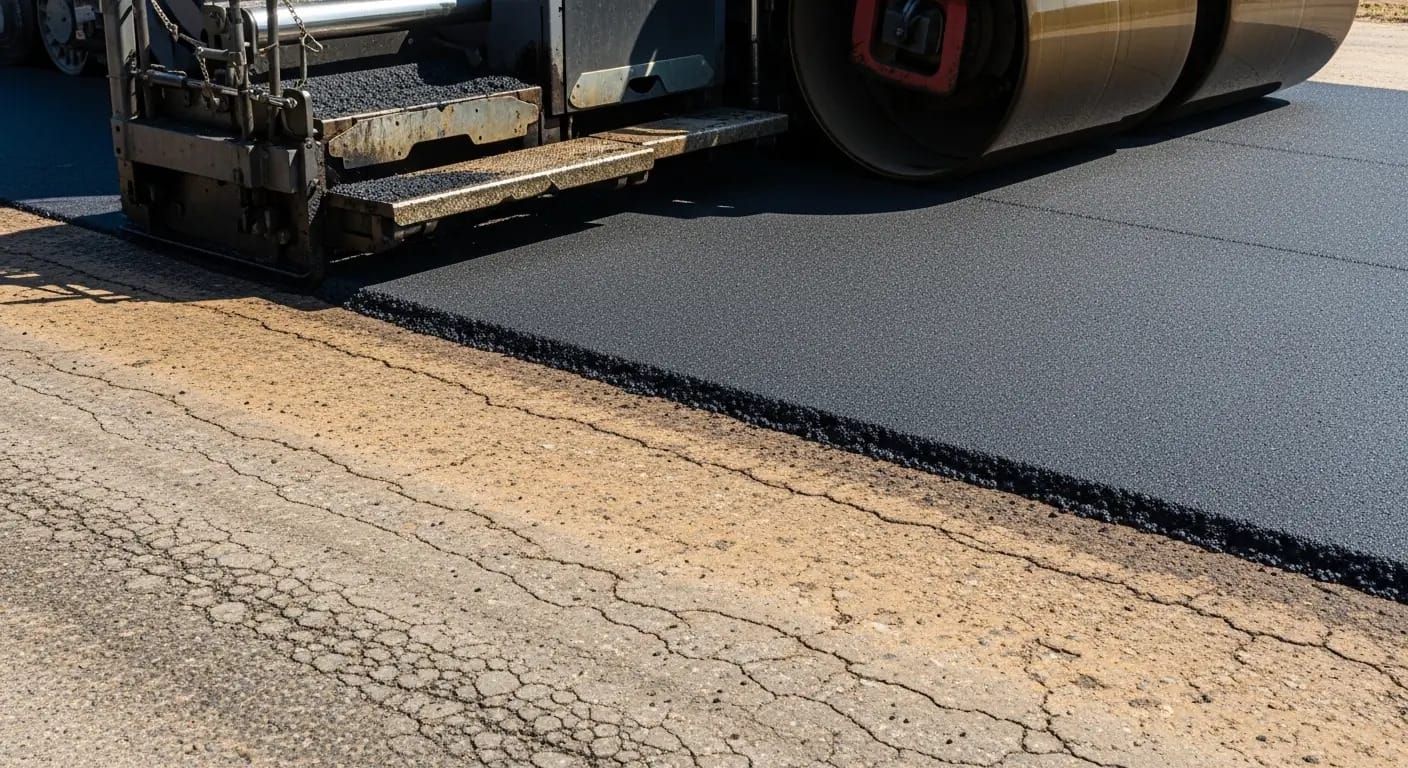
Refresh your driveway with professional asphalt resurfacing in Raleigh, NC. Our overlays add a new layer of asphalt over a sound base, fixing surface wear and minor defects. It is a cost effective way to renew your driveway and extend its life without a full tear out.
Precision Asphalt Raleigh provides professional asphalt resurfacing throughout Raleigh, NC, North Carolina and the surrounding area. Our licensed, insured crew delivers safe, clean, on-time work with a free estimate before anything begins. Call (984) 254-6287 or request your free quote.
Asphalt Resurfacing & Overlays for Raleigh Properties
If your asphalt is cracked, faded, or starting to ravel but the base still feels solid, asphalt resurfacing is often the smartest way to bring it back to life without paying for a full tear out. At Precision Asphalt Raleigh, we focus on resurfacing and overlays that fit Raleigh traffic, weather, and soils so you get the longest possible life out of what you already have.
Resurfacing means we add a new layer of hot mix asphalt on top of your existing pavement after preparing and repairing it. Overlays are typically 1 to 2 inches thick for light duty parking lots and driveways, and 2 to 3 inches for busier commercial lanes and loading zones. The exact mix design and thickness we recommend will depend on what your pavement is used for, the condition of the base, and how water currently moves across the surface.
In Wake County we see the same pattern over and over. Summers are hot, thunderstorms are intense, winters have freeze thaw cycles, and clay soils hold moisture. All of that accelerates cracking and potholes if water gets into the pavement structure. Our resurfacing work is built around controlling water and reinforcing weak spots first, so you are not just hiding problems with a thin black layer that will fail again in a year or two.
Because we are local, our crews know which low areas turn into birdbaths after a storm, how school pickup traffic wears out residential streets, and how delivery trucks chew up the same sections of commercial lots. We use that experience to tune each overlay, from the slope we build into the new surface to the type of asphalt mix we order from local plants.
How We Evaluate if Asphalt Resurfacing Is Right for You
Before we ever suggest an overlay, Precision Asphalt Raleigh does a site evaluation to see if resurfacing is appropriate or if you would be better off with partial or full replacement. Not every cracked lot can be saved with resurfacing, and knowing the difference is what protects your budget.
We start with a walk through of the entire area. We look for longitudinal and transverse cracks, alligator cracking, potholes, depressions, and signs that the base has shifted like heaving or large sunken areas. If more than about a third of the surface shows deep structural cracking, a simple resurfacing may not last. In those areas, we may recommend full depth patching before the overlay.
Next, we look at drainage. During or just after a Raleigh rain, we can see where water is standing. Even in dry weather, we look for staining, algae growth, and raveling that show chronic ponding. Standing water is one of the top reasons overlays fail early. If we cannot adjust the slopes to move water to existing drains, we discuss adding or modifying drainage before resurfacing.
We also consider your traffic loads. A light duty residential driveway that only sees cars and SUVs can usually be resurfaced with a thinner lift of a standard surface mix. A commercial lot near Capital Boulevard that sees weekly tractor trailer deliveries may need thicker lifts, a stiffer mix, or localized reinforcement in travel paths and loading docks. We will ask how often heavy vehicles use the pavement, what routes they follow, and where they turn or stop.
Last, we talk honestly about your timeline and budget. If you need a quick cosmetic improvement to get a property market ready, we may prioritize appearance while still addressing the biggest structural concerns. If you are a long term owner, we will plan an overlay that aims for 10 or more years of service, sometimes staged in phases to fit your cash flow.
Our Step by Step Asphalt Resurfacing & Overlay Process
Once we confirm resurfacing is a good fit, Precision Asphalt Raleigh follows a detailed process so the new asphalt layer bonds tightly and drains correctly.
1. Surface cleaning and milling: We begin by thoroughly cleaning the pavement with mechanical sweepers and high powered blowers. On overlays that tie into concrete entrances, curbs, or existing manholes, we often use a milling machine to grind down specific areas. This prevents the new layer from creating a trip edge or blocking drainage. Milling is especially important in older Raleigh neighborhoods where curb heights are already low.
2. Full depth and skin patch repairs: Any potholes or severely cracked sections are cut out and removed. We rebuild those spots from the base up with compacted stone and new asphalt so the overlay does not simply mirror the failure. For moderate cracking, we may install leveling patches to even out the surface and eliminate dips that collect water.
3. Crack sealing and leveling course: Wider cracks are routed and filled with a hot rubberized sealant to keep water out of the existing base. If the pavement has many shallow depressions, we install a leveling course, a thin layer of asphalt placed only where needed, to restore an even profile and proper slopes. This step is key for preventing future puddles in our rainy Raleigh climate.
4. Tack coat application: Once repairs are complete and the surface is clean and dry, we apply a tack coat, a thin spray of asphalt emulsion that makes the new overlay bond to the old surface. Without a proper tack coat, overlays can shear or slide, especially under turning movements in tight parking lots.
5. Placing and compacting the new overlay: We install the new asphalt overlay using a paver for open areas and handwork around structures, drains, and tight corners. Thickness is controlled carefully, usually between 1 and 3 inches based on the earlier evaluation. Then we compact the new layer with steel drum and pneumatic rollers in multiple passes. Proper compaction is what gives the overlay strength and smoothness.
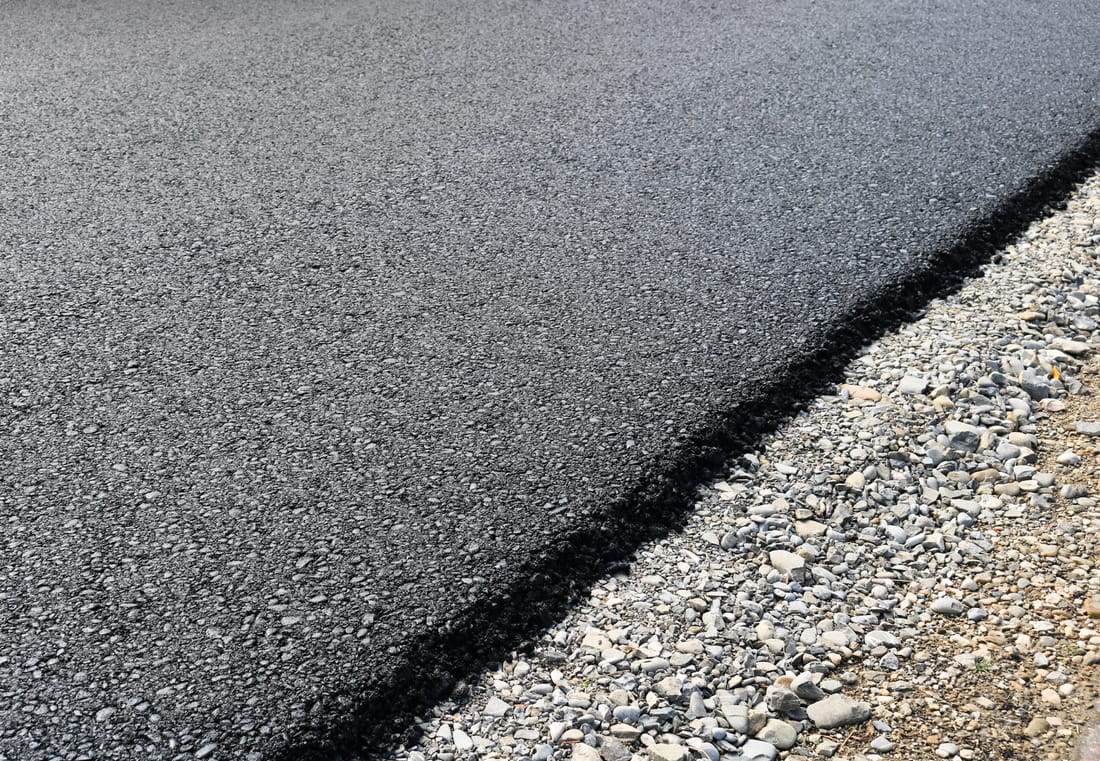
6. Joints, edges, and striping: We pay special attention to tie in joints where the new overlay meets existing pavement or concrete. Those transitions are common failure points if they are not sealed and compacted well. After the asphalt cools, we add new striping, ADA markings, speed bumps, and directional arrows as needed so your site is safe and easy to navigate.
Costs, Options, and How to Get the Most Value
Asphalt resurfacing typically costs far less than full replacement, but the price per square foot can vary a lot based on site conditions and design choices. At Precision Asphalt Raleigh, we explain what drives your cost so you can make informed decisions instead of just comparing one number on a bid.
Major cost drivers include overlay thickness, the amount of base repair or patching required, and how much milling or leveling is needed to correct drainage. For example, a straightforward 1.5 inch overlay on a sound commercial lot with minimal repairs will be less expensive per square foot than a small lot with weak areas that need multiple deep patches and heavy leveling. Smaller projects can sometimes have a higher unit cost simply because mobilization and traffic control are spread over fewer square feet.
Mix design also affects price and performance. For low traffic residential driveways, a standard surface mix from a nearby plant usually provides excellent value. For high traffic or heavy truck areas, we may recommend a mix with a higher asphalt binder content or a different aggregate blend that resists rutting. That costs a bit more up front but can prevent wheel path depressions that would require early maintenance.
Timing and phasing are another place we can help you save money. In busy parts of Raleigh like around Glenwood Avenue or near shopping centers, we often schedule work in off peak hours or divide the lot into sections so your business stays open. This may slightly extend the project duration, but it can avoid lost revenue from shutting the entire property down.
To protect your investment after resurfacing, we usually recommend a sealcoat within the first 1 to 3 years, followed by periodic crack filling as soon as new cracks appear. Quick attention to small issues is much cheaper than letting water get into the structure again. We can also adjust striping or traffic patterns to spread wear and reduce stress on the same wheel paths, which is especially useful for delivery routes and dumpster approaches.
When we provide a proposal, you will see line items for patching, milling, overlay thickness, and striping. We are happy to quote a good, better, best set of options so you can see what upgrading thickness or mix type would add in cost and what it would likely save you in additional service life.
What Raleigh Property Owners Should Know Before Hiring
Choosing the right contractor for asphalt resurfacing in Raleigh is as important as deciding to resurface in the first place. The work is not just about laying a new black layer, it is about diagnosing and correcting the causes of your existing failures.
Before you hire anyone, ask how they determine whether your base is strong enough for an overlay. A reputable contractor should be able to explain what percentage of structural cracking is acceptable, how they decide where to perform full depth repairs, and how they will handle drainage corrections. If all you hear is a price per square foot with no discussion of repairs or slopes, be cautious.
Local experience matters. Our crews at Precision Asphalt Raleigh have worked on everything from small driveways in Five Points to multi building complexes near Research Triangle Park. That range of work helps us anticipate permitting requirements, HOA expectations, and access constraints unique to this area. We know, for instance, that school car lines and city trash truck routes can heavily influence where your pavement will wear out first.
Communication during the project is just as important. You should receive a clear schedule, a map or description of which areas will be closed on which days, and instructions for tenants, employees, or residents. We provide notices ahead of time that explain when vehicles must be moved, how long the asphalt needs to cool before driving on it, and who to call if there is an issue.
Finally, make sure your quote clearly states the overlay thickness, the type of asphalt mix, how many tons are estimated, and what repairs are included. It should also spell out what is not included, such as unforeseen subgrade failures discovered after milling. At Precision Asphalt Raleigh, we walk you through these details in plain language so there are no surprises and you understand exactly what you are buying, how long it should last, and what maintenance will keep it performing for years.