Home › Commercial Gravel-to-Asphalt Conversions
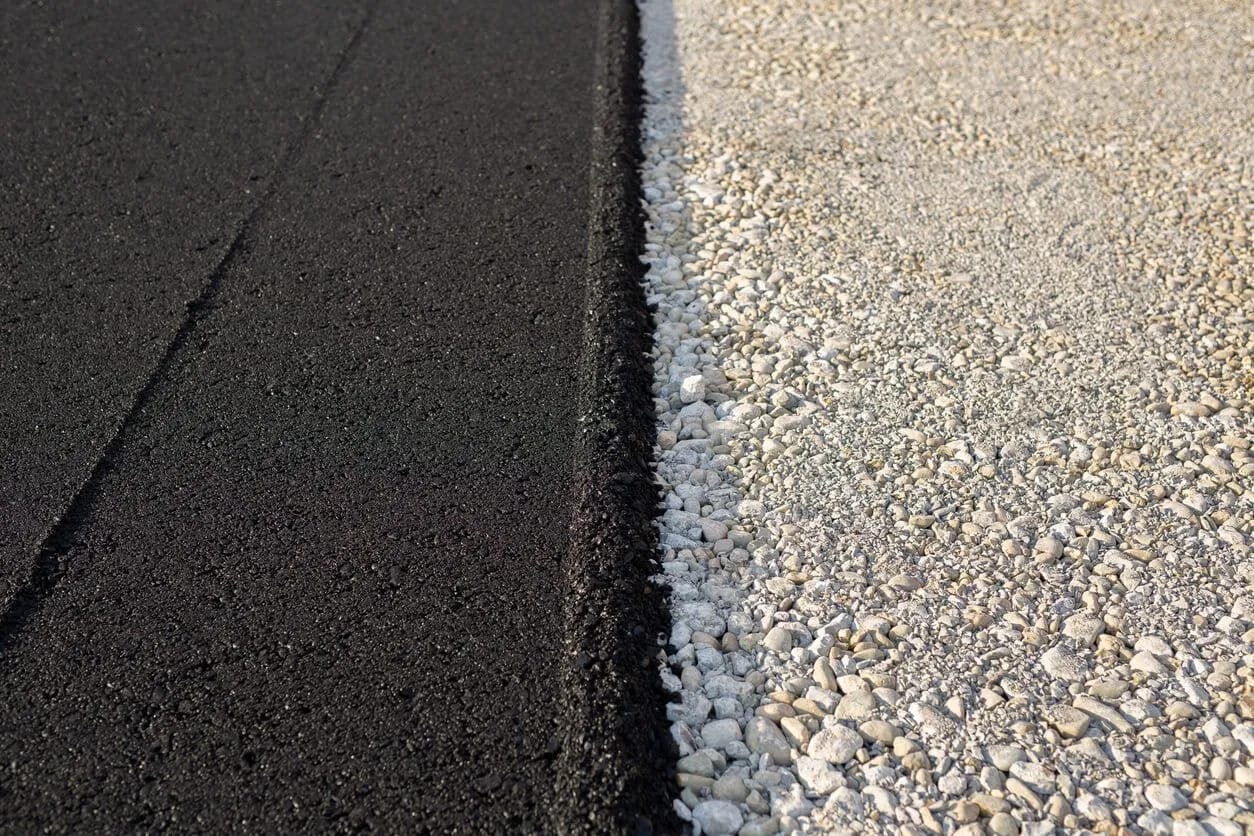
Upgrade your property with commercial gravel to asphalt conversions in Raleigh, NC. We transform gravel lots, drives, and access roads into smooth asphalt surfaces that are easier to maintain. Proper grading, compaction, and paving create a cleaner, more professional appearance for your site.
Precision Asphalt Raleigh provides professional commercial gravel to asphalt throughout Raleigh, NC, North Carolina and the surrounding area. Our licensed, insured crew delivers safe, clean, on-time work with a free estimate before anything begins. Call (984) 254-6287 or request your free quote.
Commercial gravel to asphalt conversions in Raleigh, built to last
Loose gravel is cheap to install but expensive to maintain. Trucks rut it, rain washes it out, and customers track rock into your building. Precision Asphalt Raleigh focuses on commercial gravel to asphalt conversions that turn that unstable surface into a clean, durable pavement that stands up to Raleigh traffic and weather.
We handle conversions for retail centers, churches, industrial yards, office parks, and HOA common areas across Raleigh and surrounding Wake County. Our approach is practical and data driven. Before we quote anything, we evaluate how your site is used, what kind of vehicles you see, and how stormwater currently moves across your gravel lot. That way the new asphalt is not just smoother, it solves real problems like mud, washouts, and drainage complaints.
If you are considering paving over gravel at a commercial property, you need a contractor who understands how Piedmont clay, heavy summer storms, and freeze-thaw cycles affect a lot over time. Our crews work these conditions every day in Raleigh, which is why we can confidently tell you what will actually hold up and what is likely to fail in a few years.
Site evaluation and planning before paving
A successful commercial gravel to asphalt conversion starts with a thorough site evaluation. We walk the entire area and look for soft spots, standing water, pumping (gravel that moves under your feet), and evidence of past patching or fill. On many Raleigh sites, we find mixed fill over red clay, which behaves differently than imported stone. We probe the base in multiple test points so you know whether your existing gravel can be reused or must be removed.
We also review your existing traffic patterns. For example, if tractor trailers are making tight turns near a loading dock, we will plan thicker asphalt and stronger base in those wheel paths. For small office or retail lots, we may be able to reduce thickness in light duty areas to save you money without sacrificing performance. We take measurements, confirm property lines, and identify any utilities or manholes that will need adjustments during paving.
Drainage planning is critical in Raleigh because of intense summer thunderstorms. During the evaluation, we shoot elevations or use a laser level to see how water currently flows. If water is running toward your building or pooling against curbs, we will recommend grade changes, added catch basins, or new swales before you pave. This is often the difference between a lot that looks good only on day one and a lot that still looks good after ten heavy storms.
How the gravel to asphalt conversion process works
Once the plan is finalized and permits are addressed where required, Precision Asphalt Raleigh follows a defined sequence to convert your gravel to asphalt with minimal disruption to operations.
1. Preparation and proof rolling: We begin by shaping the existing gravel, trimming high spots and filling low areas. Then we compact with a vibratory roller and perform a proof roll. This involves driving a loaded truck over the prepared surface while our foreman watches for deflection or pumping. Any areas that move or rut are excavated and rebuilt with new stone so they do not fail under your customers' vehicles later.
2. Base repair or replacement: In many Raleigh gravel lots, parts of the base are fine and parts are poor. We only remove what is necessary. Weak subgrade is undercut and replaced with compacted aggregate stone, built in lifts and compacted to proper density. We pay particular attention to entrances and drive lanes where traffic is heaviest.
3. Fine grading and drainage shaping: Next we fine grade using a motor grader or skid steer, creating consistent slopes to drains or to the edge of pavement. We target positive drainage with no flat spots, which reduces standing water and extends the life of your asphalt.
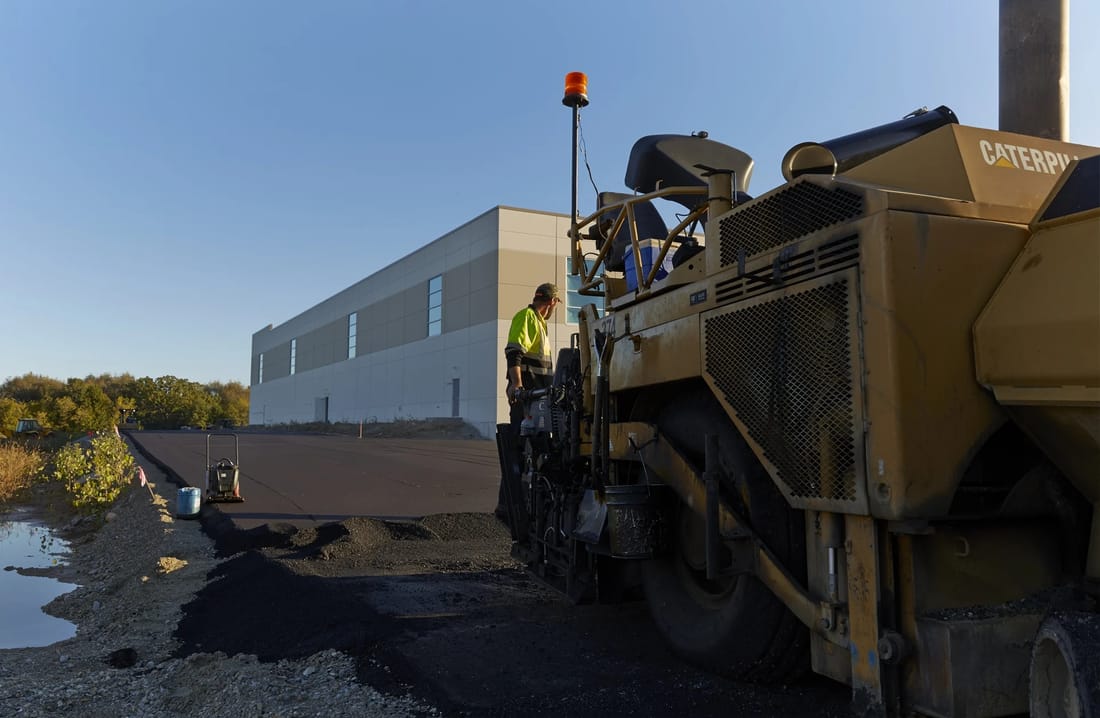
4. Asphalt installation: For commercial gravel to asphalt conversions, we typically install a base course layer followed by a surface course. The base course is a coarser mix placed thicker for structural strength. The surface course is a tighter, smoother mix that provides a clean finished look. Mix types are selected based on expected traffic and NCDOT standards where applicable.
5. Compaction and finishing: Every asphalt layer is compacted while still hot using steel drum and pneumatic rollers in multiple passes. Proper compaction is what locks the aggregates together and keeps water out. We then cut clean edges, address transitions to adjoining pavement or concrete, and prepare the lot for striping.
6. Striping and safety markings: After the asphalt cools, we apply layout markings, parking stalls, ADA spaces, fire lanes, and directional arrows so your site is organized and compliant the day you open the new lot.
Design and material options for your commercial lot
Not every commercial gravel to asphalt conversion should be designed the same way. Precision Asphalt Raleigh offers several structural and surface options to fit how your property is used and what your budget allows.
For heavy truck yards and industrial sites, we normally recommend a thicker stone base and multiple asphalt lifts, with at least one heavy-duty base mix layer beneath the surface course. In areas with tight turning movements, such as dumpster pads or truck docks, we may reinforce the section further or tie into concrete pads to prevent shoving and rutting.
For retail centers, medical offices, and churches in Raleigh, we adjust thickness based on a mix of passenger cars and delivery trucks. This might mean a robust entrance and drive aisle section and a slightly lighter section in parking stalls that see less stress. This targeted design helps control cost while still giving you the lifespan you expect from a properly built asphalt lot.
We also consider surface mix options. Finer mixes provide a smoother look and quieter ride, which many Class A office and professional buildings prefer. Coarser mixes provide more texture and grip and can be a good choice in steeper areas of a site. Where drainage is a challenge and the subgrade allows it, we can discuss permeable or open graded solutions, although these require specific maintenance and are not right for every property.
Our team will walk you through these options in plain language, with clear pros and cons. We make specific recommendations based on your site in Raleigh, not generic one size fits all sections.
Costs, local conditions, and common issues to plan for
Cost for commercial gravel to asphalt conversions in Raleigh varies, but the main drivers are base condition, required thickness, drainage work, and site access. If your existing gravel has been maintained consistently and drains well, we may be able to reuse much of it, which keeps costs down. If the gravel was only a thin cap over soft clay and we find extensive pumping during the proof roll, more undercut and replacement stone will be required.
Drainage improvements can add line items but often save money over the life of the pavement. For example, installing an additional catch basin in a low corner might prevent repeated patching and striping repairs from standing water damage. In Wake County, stormwater rules can affect where and how you move water, so local familiarity is important. We are used to coordinating with Raleigh inspection departments and working within existing stormwater plans.
Common issues we see on conversions in this area include hidden organic material beneath gravel, such as stumps or construction debris, which must be removed, and utility conflicts where water or sewer lines are shallower than ideal. We address these by exposing and stabilizing trouble spots before paving, not after the first failure. We also plan around your business hours, staging the work so primary entrances remain open whenever possible.
When you compare quotes, ask each contractor specifically how they handle soft areas, how many proof roll passes they include, and what asphalt thickness they are actually pricing. A cheaper quote that skips base repair or reduces thickness may cost more later in early cracking, rutting, or complete replacement years sooner than necessary.
What to expect from Precision Asphalt Raleigh and how to prepare
When you hire Precision Asphalt Raleigh for a commercial gravel to asphalt conversion, you can expect clear communication and a defined schedule. Before work begins, you will receive a written scope that explains the base work, asphalt thicknesses, mix types, and any drainage changes. Our superintendent will be your point of contact on site and will update you daily on progress and any field conditions that differ from the original plan.
To prepare your property, we typically ask that you notify tenants or staff of the schedule, relocate any portable storage units or dumpsters that sit on the gravel, and mark any private irrigation or lighting lines that may not appear on utility locates. If your lot must remain partially open, we can phase the work so portions are paved and reopened in stages.
After paving, we recommend keeping vehicles off the new asphalt for at least 24 hours in normal Raleigh temperatures, longer in very hot weather. Heavy trucks may require additional cure time. We will advise you based on the conditions that day. Once in service, basic care is straightforward: prompt cleaning of fuel spills, periodic crack sealing, and timely sealcoating where appropriate will help protect your investment.
Our goal is simple: deliver a commercial gravel to asphalt conversion that reduces your maintenance burden, improves curb appeal, and holds up to the demands of real daily use in Raleigh. If you are ready to replace ruts and dust with a solid, well-drained pavement structure, Precision Asphalt Raleigh is prepared to walk the site with you and develop a plan that fits your property and your budget.