Home › Asphalt Milling and Reclamation
Prepare your pavement for a new life with asphalt milling in Raleigh, NC. We remove worn asphalt layers, correct profiles, and reclaim material for reuse. Milling and reclamation improve ride quality, drainage, and provide a solid base for overlays or new pavement sections.
Precision Asphalt Raleigh provides professional asphalt milling throughout Raleigh, NC, North Carolina and the surrounding area. Our licensed, insured crew delivers safe, clean, on-time work with a free estimate before anything begins. Call (984) 254-6287 or request your free quote.
Asphalt Milling and Reclamation in Raleigh, NC
Asphalt milling is one of the most cost‑effective ways to restore a worn or uneven pavement without paying for a full tear out and replacement. At Precision Asphalt Raleigh, we use commercial grade milling machines to remove a controlled depth of asphalt so your surface can be structurally corrected and resurfaced.
In Raleigh and the surrounding Triangle, milling is often the right choice for cracked, rutted, or ponding parking lots and roads where the base is still mostly sound. Instead of hauling all the old asphalt to a landfill, we grind it to a precise depth, leave the stone base intact or improve it as needed, then place new asphalt over the milled surface. This keeps asphalt elevations in check so you do not create trip hazards at curb lines, garage entrances, or ADA ramps.
Our team focuses on practical solutions that fit local conditions, such as North Carolina clay soils, tree root pressure, and rapid temperature swings. We explain exactly how much material will be milled, how it will affect drainage and elevations, and what to expect during and after the work so there are no surprises.
How Asphalt Milling Works Step by Step
A successful milling project starts long before the machine arrives. Precision Asphalt Raleigh begins with a detailed site walk, checking grades, drainage paths, curb heights, existing thickness, and problem areas such as standing water or alligator cracking. On many commercial lots in Raleigh, asphalt thickness varies because of past overlay jobs, so we take core samples or test cuts to avoid milling too deep in thin spots.
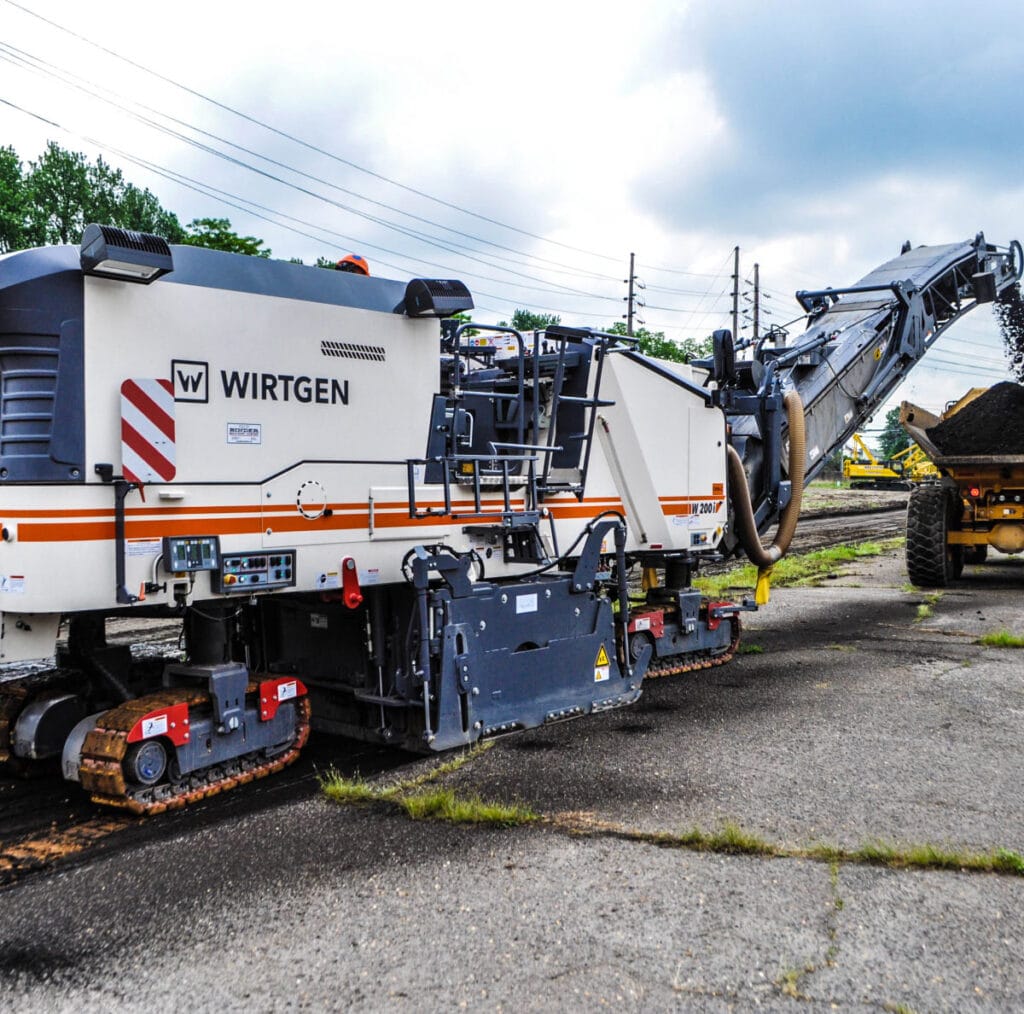
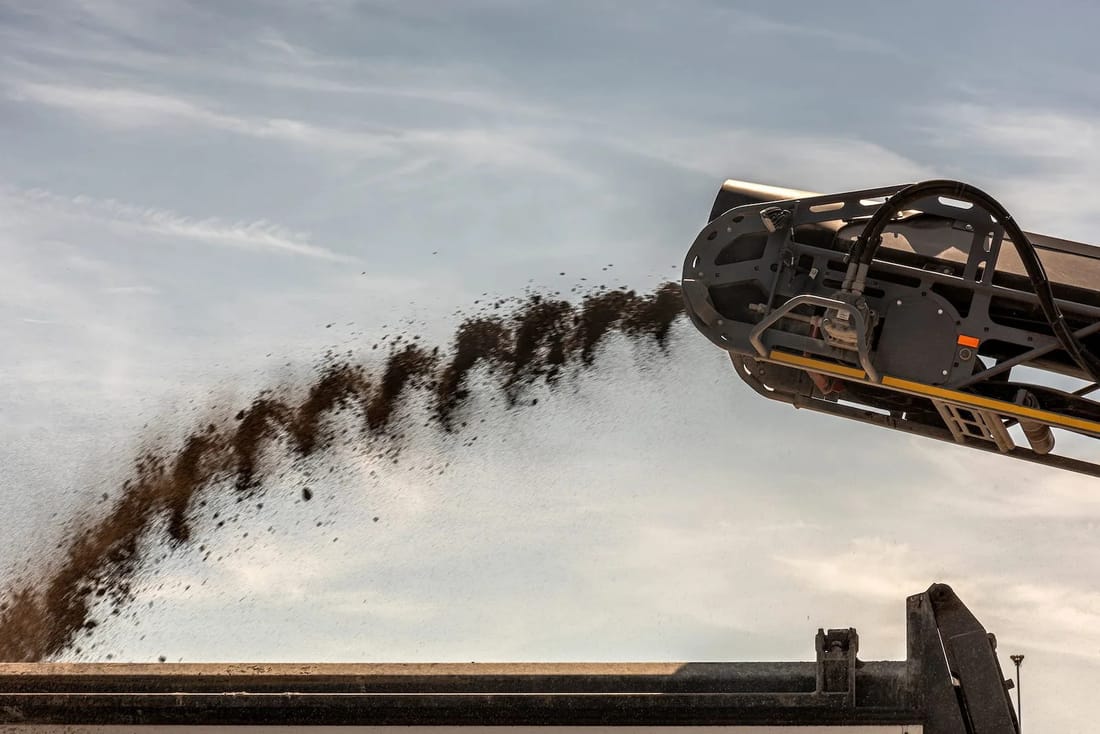
Once we know the existing conditions, we set the milling machine to remove a specific depth, often between 1 and 3 inches for typical parking lots, and deeper for roadways with rutting. The machine uses a rotating drum with carbide teeth to grind the asphalt. As it moves forward, conveyors load the milled material directly into dump trucks. This keeps your property cleaner and reduces loose debris.
After milling, we sweep the surface thoroughly with a power broom and vacuum sweeper. This step is critical. Fine dust left behind can prevent new asphalt from bonding properly. We also check for soft spots or pumping areas where the base flexes under truck traffic. If we find these, we mark and dig them out, then replace them with compacted stone or asphalt patch before paving.
Finally, we apply a tack coat to the milled surface. This thin, sticky asphalt emulsion bonds the new asphalt layer to the old one. Then we pave and compact with steel drum and pneumatic rollers to achieve a dense, smooth surface. The result is a structurally corrected pavement that ties cleanly into drains, curbs, and existing concrete without a noticeable bump.
Full‑Depth Reclamation and When You Need It
Asphalt reclamation is different from simple milling. Instead of just removing the top layer, full‑depth reclamation (FDR) uses a reclaimer machine to pulverize the asphalt and a portion of the underlying base into a blended, recycled base layer. Precision Asphalt Raleigh typically recommends reclamation when your pavement shows deep base failures, widespread alligator cracking, or significant heaving that milling alone will not fix.
On a reclamation project in Raleigh, we start by assessing utilities, drainage, and traffic loads. We identify underground structures like water valves, manholes, and shallow utility lines so the reclaimer can operate safely. The reclaimer then chews up the existing asphalt and base to a depth that is usually between 6 and 12 inches, depending on design needs and soil conditions.
We can introduce additives at this stage, such as portland cement or asphalt emulsion, to stabilize the recycled material. In many North Carolina clay areas, a small percentage of cement helps dry and stiffen the base so it carries truck traffic better. Once mixed, we shape the new base with graders and compact it with heavy rollers until density tests confirm it meets design specs.
After a suitable curing period, we place new asphalt on top of the stabilized base. This method creates a new structural section using most of your existing materials, which often costs less than full removal and replacement and shortens project timelines for large properties like industrial sites, HOA roads, and church campuses.
Local Issues That Affect Milling and Reclamation in Raleigh
Raleigh pavements face a specific combination of challenges: clay subgrades, frequent freeze‑thaw cycles, tree root intrusion, and heavy school and commuter traffic. Precision Asphalt Raleigh accounts for each of these when planning milling or reclamation work.
Clay soils swell when wet and shrink when dry, which can create reflective cracking and depressions in asphalt. On lots built with marginal base stone, we often see pumping, where water and fines are forced up through joints and cracks. Milling alone will not correct these deep issues. We target these areas for undercutting or full‑depth reclamation so the problem does not reappear under the new surface.
Raleigh also has many mature neighborhoods with large oak and pine trees. Roots can lift asphalt and create trip hazards or tight crowns that hold water. During milling, we can selectively adjust milling depths and reprofile the surface to restore proper drainage away from buildings and toward inlets, all while keeping curb heights consistent. Where root heave is severe, we coordinate with property owners and arborists when needed to balance tree health and pavement stability.
Local drainage rules matter too. If your project is near stormwater structures or in a low‑lying area, we check how milling or reclamation will affect flow patterns so you stay compliant with city and county requirements and reduce future ponding.
What Drives the Cost of Asphalt Milling and Reclamation
The cost of asphalt milling or reclamation in Raleigh depends on several technical factors, not just square footage. Precision Asphalt Raleigh provides itemized proposals so you can see how each variable affects your price.
Key cost drivers include:
Depth of removal: Shallow profile milling at 1 inch is less expensive than deep corrective milling or full‑depth reclamation because it uses less machine time and fuel and creates less material to handle.
Access and layout: Wide open lots are faster to mill than tight, cut‑up areas with islands, cart corrals, and heavy landscaping. Complex layouts require more hand work and smaller equipment around edges and structures.
Base condition: If the base is relatively stable, the project may only require milling and a new wearing course. Soft spots, wet areas, and utility trench failures require undercutting or stabilization, which adds labor, stone, and sometimes additives.
Traffic management: Night work, phasing around business hours, or working in active retail centers adds costs for traffic control, signage, striping changes, and additional mobilizations.
Material choices: For reclamation projects, adding cement or asphalt emulsion for stabilization raises the upfront cost but often lowers life‑cycle costs, especially for truck yards and bus lots.
We walk you through these variables during the estimate so you can make informed decisions, such as whether to reclaim only the worst sections or phase work over several fiscal years.
Common Milling Problems and How We Prevent Them
Poorly executed milling can cause long‑term problems, such as puddles, visible lines, weak joints, and doors or gates that no longer clear the pavement. Precision Asphalt Raleigh addresses these risks with specific quality controls at each stage.
Before milling, we shoot grades and mark critical thresholds, including dock doors, dumpster gates, and sidewalk transitions. This prevents accidental lowering of the surface that could create clearance issues. We also document existing drainage patterns so we can improve them rather than accidentally trapping water.
During milling, our operators maintain consistent drum speed and machine pace so the cut is uniform. We avoid over‑milling near catch basins and manholes by switching to smaller mills or hand chipping, then we build smooth tapers to these structures when we pave. Any isolated deep spots are patched before resurfacing so the new lift has consistent support.
After paving, we check transitions, inlets, and curb lines for birdbaths using a straightedge and water tests where appropriate. If we find a low spot, we correct it while the mix is still warm or return for a localized remedial patch. This attention to detail keeps your lot or roadway from developing early failures that shorten pavement life and frustrate users.
Planning Your Milling or Reclamation Project With Precision Asphalt Raleigh
A smooth project starts with clear planning. When you contact Precision Asphalt Raleigh, we schedule a site visit to evaluate your pavement and discuss how your property operates. For commercial clients, we review delivery schedules, peak parking times, and any special access needs for tenants or emergency vehicles.
We then recommend one of three general approaches: profile milling with overlay for surfaces that are mainly cosmetic problems, corrective milling with base repairs where specific structural issues exist, or full‑depth reclamation for pavements that are failing throughout. For each option, we outline expected service life, disruption level, and approximate budget so you can choose what fits your goals.
Before work begins, we provide a written phasing and traffic control plan. This might involve working in halves or thirds of a parking lot, setting up temporary walk paths for customers, or scheduling night or weekend operations in busy retail areas. Clear signage, cones, and onsite supervisors help keep drivers and pedestrians out of work zones.
You will know in advance when milling will occur, when the surface will be open to traffic, and when final striping will be completed. Our crews stay on schedule, monitor weather closely, and communicate any necessary adjustments. The result is a resurfaced pavement that drains properly, looks professional, and stands up to Raleigh traffic and climate for years to come.